When Should an Elderly Person Not Live Alone?
 Sarah Mitchell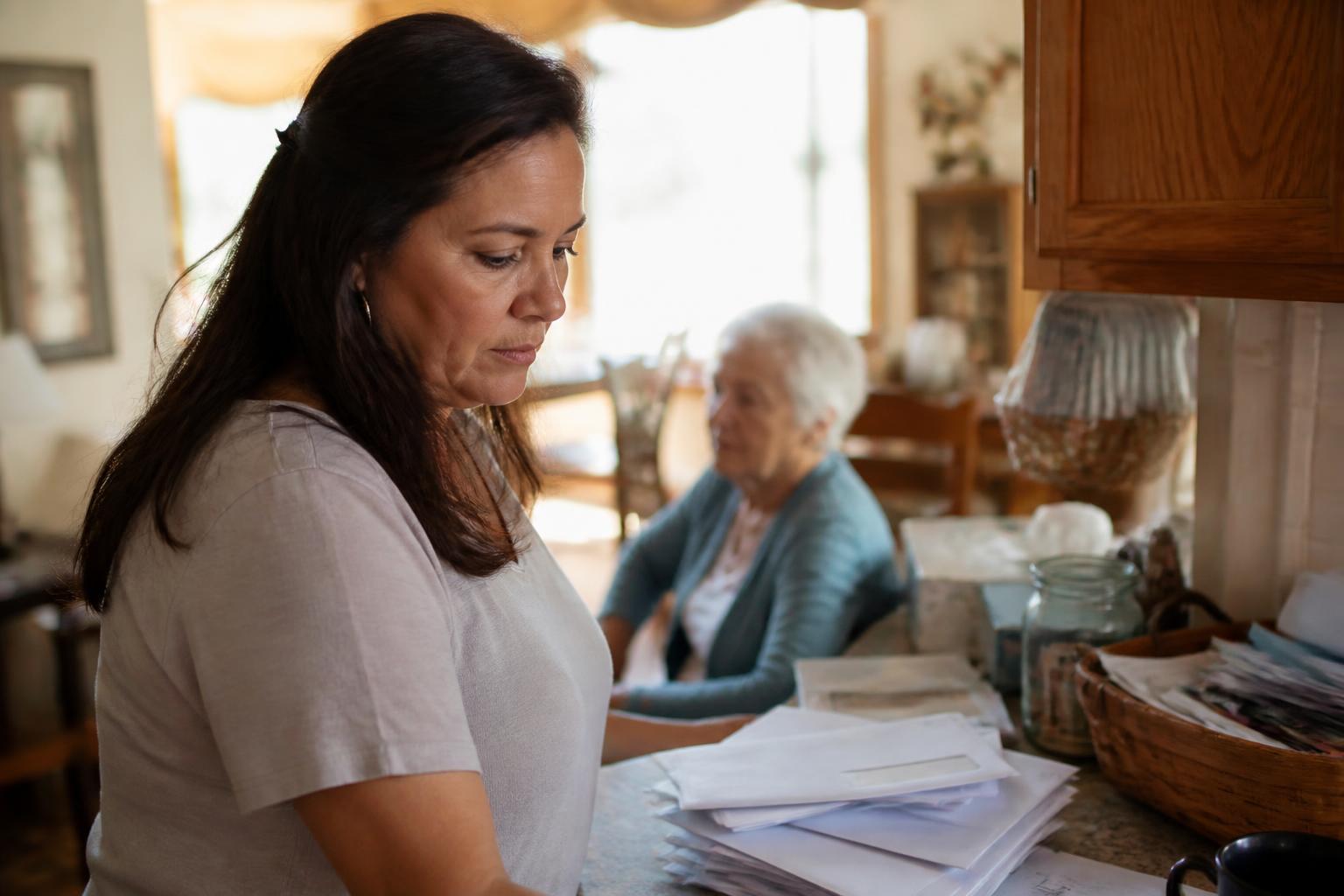
You noticed it on your last visit. A pan with a scorched bottom in the sink. A stack of unopened mail, some of it overdue. Your mother seemed a half-step slower, repeated a story twice, and the milk in the fridge had turned. Nothing on its own was alarming. Together, they left you with a quiet, nagging question on the drive home: is it still safe for her to live alone?
It is one of the hardest questions an adult child faces, partly because there is rarely a single clear answer. Independence is not a switch that flips from safe to unsafe overnight. It fades gradually, which is exactly what makes it so easy to miss and so hard to act on. This guide walks through the warning signs worth watching, what they actually mean, and what to do when you start seeing them.
When Should an Elderly Person Not Live Alone?
The short answer: an elderly person should not live alone when the risks of being alone outweigh what can be managed with added support, and when those risks are no longer ones they can recognize or respond to themselves.
That sounds abstract, so think of it as two separate questions. First, what is going wrong? Second, can it be fixed with help that comes to them, or does it now require a bigger change like moving in with family or into assisted living? A parent who occasionally forgets to take a pill may simply need a reminder system. A parent who leaves the stove on and cannot remember doing it is facing a different level of risk. The warning signs below help you tell those apart.
About 1 in 4
adults aged 65 and older live alone in the United States, which is roughly 16 million people, so this is a question millions of families are weighing right now.
U.S. Administration for Community Living
The Warning Signs an Elderly Person Shouldn’t Live Alone
No single item below means your parent must stop living alone tomorrow. What matters is the pattern, how many you see, how quickly they are appearing, and how serious each one is. Watch for clusters, and pay special attention to anything involving fire, falls, medication, or driving.
Physical and Safety Signs
- Falls, or near-falls. A recent fall is one of the strongest warning signs, especially if your parent could not get up or did not tell anyone. More than one in four adults over 65 falls each year, and falling once roughly doubles the odds of falling again.
- Difficulty with stairs, bathing, or getting out of a chair. When everyday movement becomes unsteady, the home itself turns into a hazard.
- Burns, scorched pans, or signs the stove was left on. Kitchen accidents are among the most dangerous risks for someone living alone.
- Unexplained bruises or injuries they cannot or will not account for.
Memory and Cognitive Signs
- Forgetting medication, doubling doses, or being unable to keep track of what they have taken.
- Confusion about time, place, or familiar people, or getting lost on routes they have driven for years.
- Repeating questions and stories within a short span, or losing the thread of a conversation.
- Poor judgment with money, such as unpaid bills, unusual purchases, or falling for scam calls and mailers.
Home and Self-Care Signs
- A decline in housekeeping that is unlike them: spoiled food, piled dishes, strong odors, or general neglect of a home they once kept tidy.
- Changes in hygiene or appearance, like wearing the same clothes for days or a noticeable drop in grooming.
- Weight loss or an empty fridge, which can signal they are no longer cooking or eating properly.
- Expired food and medications left in the cupboards.
Emotional and Social Signs
- Withdrawal from friends, hobbies, and activities they used to enjoy.
- Signs of depression or persistent loneliness, which carry real health risks for older adults living alone.
- Increased fearfulness or anxiety about being by themselves, especially at night.
Signs that call for prompt action
A few situations warrant moving faster rather than watching and waiting: a fall where they were on the floor for a long time before help came, leaving the stove or other appliances on, wandering or getting lost, a medication mistake that caused harm, or any sign they cannot get help in an emergency. If you see these, do not wait for the next visit to act.
It’s Rarely All or Nothing
Here is the part families often miss in the worry: the choice is not simply “live alone exactly as now” versus “move to a care facility.” There is a wide middle ground, and most older adults can stay in their own homes far longer than fear suggests, as long as the right supports are added as needs change.
Some signs point to filling a gap. Forgotten medication can be solved with a pill organizer and reminders. Loneliness can be eased with regular visits, transport to activities, or a standing phone call. Trouble with bathing or stairs can be helped with grab bars, a shower seat, or a few hours of home care a week.
Other signs point to a bigger conversation. Significant memory loss with safety lapses, repeated falls, or an inability to summon help in an emergency may mean living completely alone is no longer wise, even with support. The skill is matching the response to the actual risk, rather than overreacting to a single bad visit or, just as common, talking yourself out of a pattern that is genuinely worsening.
How to Make Living Alone Safer
If your parent wants to stay in their home, and they can do so with the right help, several layers of support can extend that independence safely. Think of it as building a net under the tightrope, so a stumble does not become a tragedy.
- Address the home. Remove trip hazards, improve lighting, add grab bars in the bathroom and railings on stairs. Most falls happen in predictable, fixable spots.
- Set up medication management. Pill organizers, automatic dispensers, and reminders take a major risk off the table.
- Bring in help they will accept. Even a few hours of home care, a meal delivery service, or a weekly cleaner can cover the gaps without uprooting their life. If your parent pushes back, our guide on what to do when an elderly parent refuses help covers how to get a reluctant yes.
- Close the “what if no one knows” gap. The single greatest danger of living alone is not that something goes wrong. It is that it goes unnoticed for hours or days. This is the gap a daily check-in is designed to close.
That last point is the one most safety plans forget. You can fall-proof a home and still face the scenario every family dreads: a parent on the floor, or suddenly unwell, with no one aware until the next scheduled call. A daily check-in service like CheckRise sends your parent a short text each day asking if they are okay. If they do not reply, it sends a reminder, then calls them automatically, and then alerts you and the rest of the care circle until someone responds. It works on any phone, needs no app, and shrinks the time between “something happened” and “someone knows” from days down to a single missed check-in. For a fuller comparison of the options, see our roundup of the best daily check-in services for seniors. If the worry is weighing on you more than the facts justify, our guide on being worried about an elderly parent living alone can help, and if a move is on the table, how to talk to parents about assisted living walks through that conversation.
Help them stay home, safely
CheckRise checks in on your parent every day and alerts your whole family if they don't respond. It's the safety net that makes living alone work for longer. Set up in 2 minutes.
Start Your $1 TrialNo commitment. Cancel anytime.
How to Talk About It
Once you have a sense of where things stand, the conversation with your parent matters as much as the assessment itself. Pushing too hard can make them defensive and slam the door on the very help they need.
Pick a calm moment, not a crisis
Raise it during an ordinary, unhurried visit rather than in the panicked aftermath of a fall. People make better decisions when they are not on the defensive.
Lead with their wishes
Most parents want to stay in their home. Make that the shared goal: 'I want to help you stay here as long as possible, so let's talk about what would make that work.'
Be specific about what you've noticed
Gently name the concrete things you have seen rather than vague worry. 'I noticed the stove was left on twice' is harder to dismiss than 'I'm worried about you.'
Offer the smallest helpful step first
Start with the least intrusive support that addresses the biggest risk. A daily check-in or a grab bar is an easier yes than a caregiver or a move.
Loop in the doctor when needed
If memory or safety is the concern, a medical assessment gives you both an objective read and a trusted third voice your parent may accept more readily than yours.
If the conversation reveals that you simply cannot keep tabs on your parent the way you would like, especially from a distance, our long-distance caregiving guide and our guide on how to check on elderly parents living alone lay out the practical systems that make it manageable. And in any moment where you cannot reach them and the worry spikes, knowing how to request a wellness check is worth having ready.
The aim is never to take away your parent’s independence the moment it gets complicated. It is to protect it for as long as it can be protected safely, and to know, honestly, when the balance has shifted.
Frequently Asked Questions
When should an elderly person not live alone?
What are the signs that an elderly person can't live alone safely?
How do I know when it's time for assisted living?
Can a person with early dementia live alone?
What can I do to help my parent live alone safely for longer?
Try CheckRise free for 7 days
Daily SMS check-ins with automatic escalation to your care circle. Set up in 2 minutes.
Start Your $1 TrialNo commitment. Cancel anytime.
Sarah Mitchell
Senior Care Specialist
Sarah Mitchell is a senior care specialist with over a decade of experience helping families navigate aging, independence, and caregiving. She writes about practical tools and strategies that make daily life safer for older adults and less stressful for the people who love them.
Related Articles
Elderly Parent Not Answering the Phone? What to Do
Your elderly parent isn't answering the phone and you're worried. Here's a calm, step-by-step plan for what to do right now, when to call a welfare check, and how to prevent the panic next time.

What Is a Wellness Check for Seniors? (2026)
Learn about the 4 types of wellness checks for elderly people: police welfare checks, professional home visits, daily check-in services, and community programs.

AssureOkay Review (2026): Cheapest Check-In App?
An honest AssureOkay review: how the app works, what the $4.99 plan really includes, the trade-offs of a newer service, and whether it is worth it in 2026.